Human-Centered
People are approached with dignity, compassion, understanding, and respect.
The Minor Consortium Group Foundation is a 501(c)(3) nonprofit organization strengthening children, families, veterans, and underserved communities through education, mentorship, family resilience, technology access, and community-based support.
TMCGF is a community-rooted organization shaped by lived experience, professional expertise, service, compassion, education, technology, and a commitment to helping people find practical pathways forward.
The organization brings together experience in veteran service, grief recovery, family resilience, education, mentoring, technology, community engagement, and collaborative service. Those capabilities are used to help people navigate challenges that can otherwise feel fragmented, confusing, or difficult to face alone.
Formally established in 2026, TMCGF builds upon earlier community service and family-focused outreach. The foundation is developing its programs deliberately around community needs, responsible stewardship, measurable outcomes, appropriate partnerships, and a commitment to personal, practical support as the organization grows.
People are approached with dignity, compassion, understanding, and respect.
Support is organized around useful next steps, resources, education, relationships, and access.
Growth is pursued with accountability, evidence, stewardship, collaboration, and appropriate boundaries.
The Minor Consortium Group Foundation strengthens children, families, veterans, and underserved communities through education, mentorship, family resilience, technology access, and community-based support.
TMCGF envisions resilient families, empowered youth, supported veterans, and thriving communities in which individuals have equitable access to education, technology, resources, mentorship, and opportunities to build successful futures.
TMCGF serves people at different stages of life and across different kinds of need. Programs are designed to create practical access, connection, learning, resilience, and opportunity.
Resource navigation, mentorship, accessibility support, technology, family connection, and practical pathways toward stability and independence.
Educational enrichment, mentorship, technology-supported learning, leadership development, life skills, and community learning opportunities.
Family resilience, relationship strengthening, education, resource connection, community studies, and supportive experiences.
Structured grief recovery education, compassionate support, resource connection, and pathways toward renewed purpose and hope.
Practical access to resources, education, mentorship, technology, community support, and opportunities that may otherwise remain difficult to reach.
Collaborative opportunities for mentorship, outreach, referrals, volunteer engagement, education, hospitality, and community connection.
TMCGF does not assume that every person needs the same answer. We begin by understanding the situation, identifying useful options, and connecting people with the most appropriate pathway available.
Understand the individual, family, challenge, priorities, and immediate need.
Identify the most useful next step and determine where TMCGF can appropriately help.
Provide direct support where appropriate or connect people with qualified resources and partners.
Build knowledge, resilience, relationships, access, and practical capacity for the road ahead.
These values guide program decisions, partnerships, stewardship, service delivery, and the way TMCGF engages the people and communities it serves.
Listen carefully and respond with dignity to participants and families.
Place community benefit and practical assistance at the center of program decisions.
Represent programs, relationships, resources, and results accurately.
Establish responsibility, retain evidence, review performance, and address weaknesses.
Reduce practical barriers to education, technology, information, opportunity, and support.
Recognize families and local relationships as essential sources of resilience.
Use appropriate methods and technology to improve access and program delivery.
Work with qualified organizations and community contributors when shared effort benefits participants.
Manage charitable funds, assets, data, volunteer time, and community trust with care.
TMCGF leadership brings together professional expertise, community service, lived understanding, education, mentoring, and a commitment to responsible stewardship.
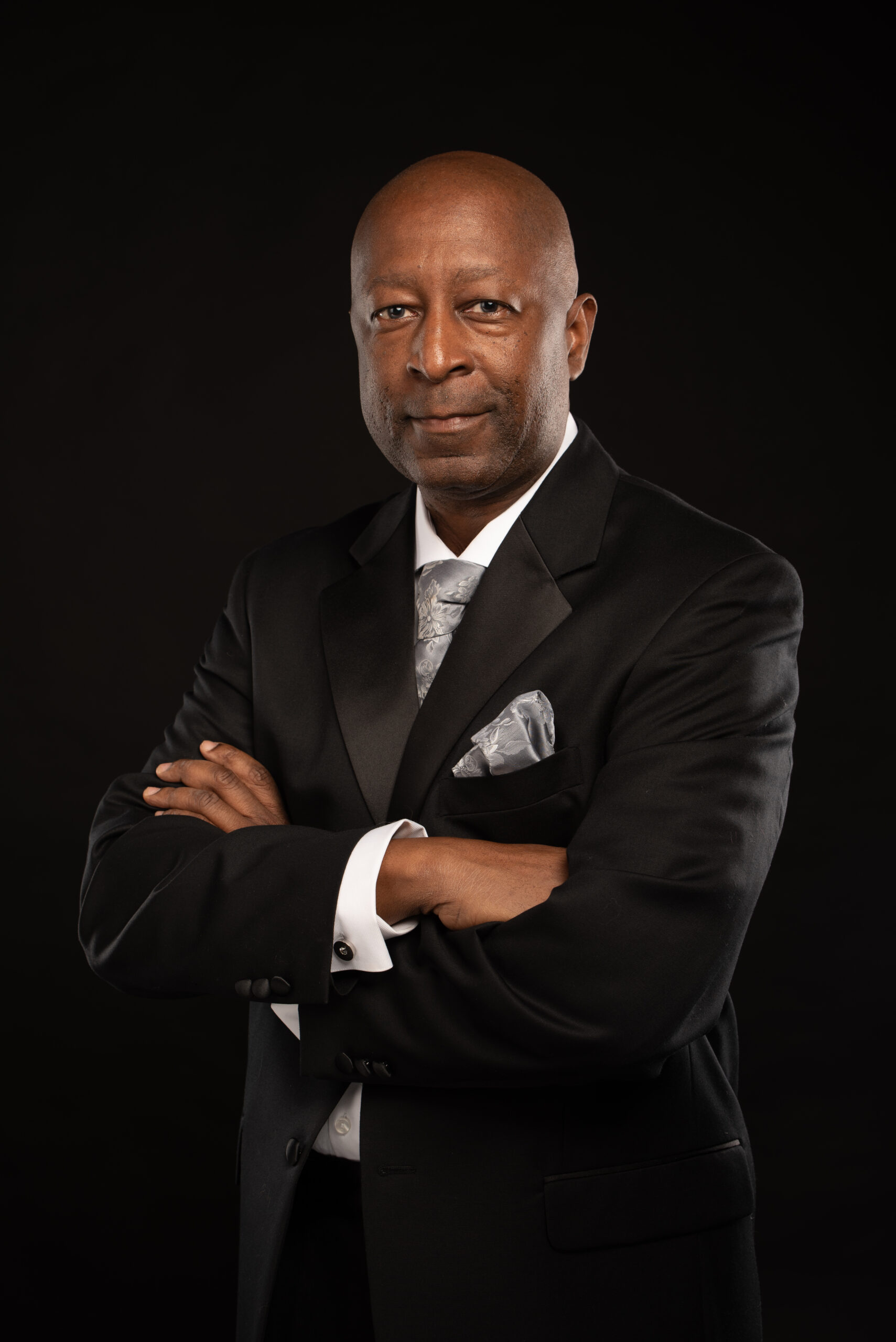
Dr. Minor is a service-connected disabled United States military veteran, community leader, mentor, educator, and nonprofit executive with more than 30 years of professional leadership experience.
His background includes federal program leadership, governance, compliance, stakeholder engagement, veteran advocacy, community outreach, technology, and organizational development.
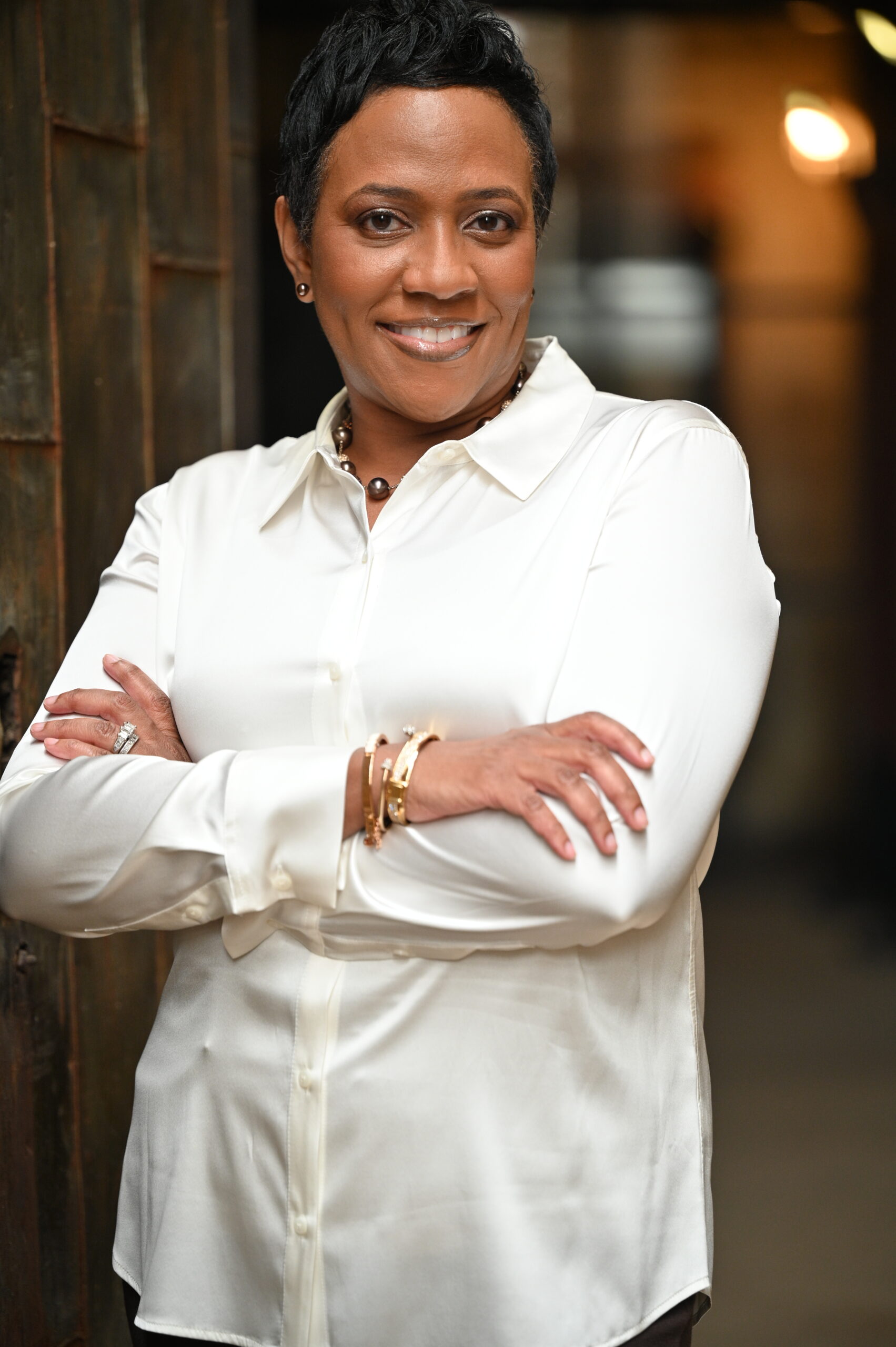
Nicole Minor is an Advanced Grief Recovery Specialist, educator, mentor, community outreach leader, and former higher education administrator with more than two decades of experience.
Her background includes community engagement, family support, public health, mentoring, educational leadership, and community partnership development.
Whether you are looking for support, seeking a place to serve, exploring partnership, or investing in community impact, there is a place to connect with the work of TMCGF.